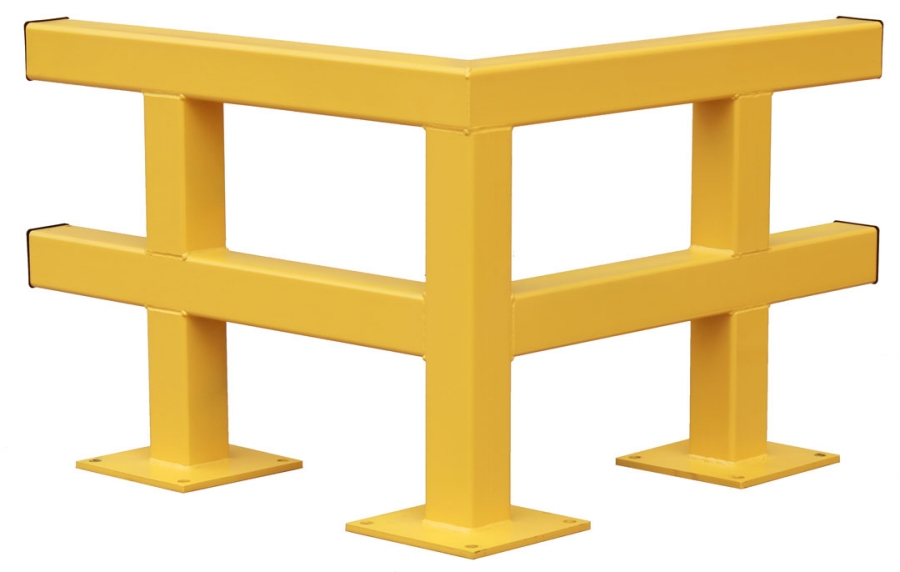
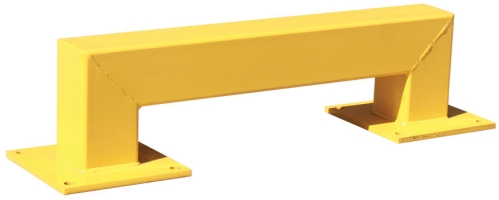
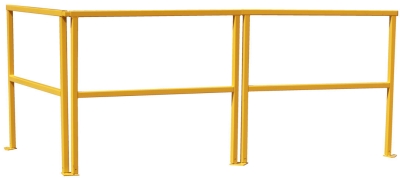
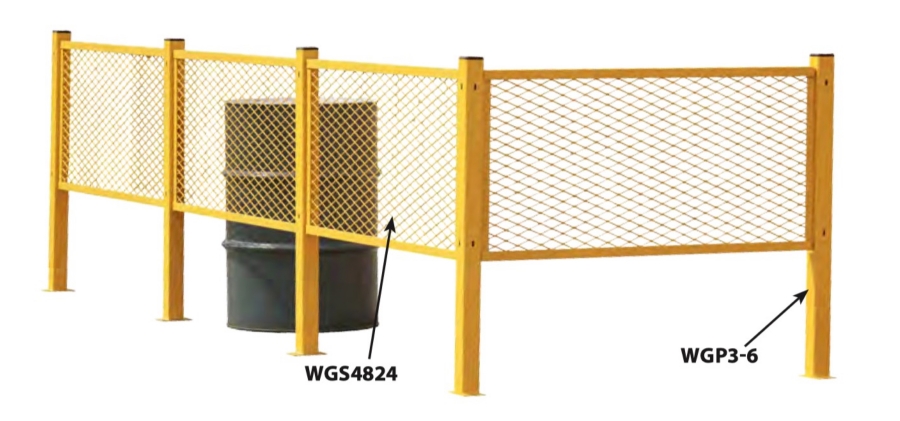
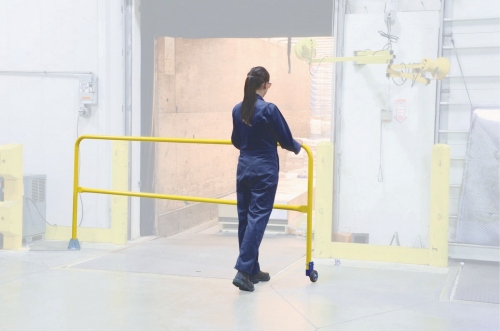
Moving machine parts can potentially cause severe workplace injuries, such as crushed fingers or hands, amputations, burns, or blindness. In addition, amputations, lacerations, and abrasions are costly and potentially increase workers' compensation premiums. (Amputation is one of the most severe and crippling types of injuries in the occupational workplace, often resulting in permanent disability.) Due to this fact, OSHA (Occupational Safety & Health Administration) has established a set of standards around machine guarding. The purpose of machine guarding is to protect the machine operator and other employees in the work area from hazards created during the machine's regular operation. That would include risks of concern such as ingoing nip points, rotating parts, reciprocating, transversing, and flying chips & sparks. Any machine part, function, or process that might cause injury must be safeguarded. When the operation of a machine or accidental contact with it could injure the operator or others in the vicinity, the hazards must be controlled or eliminated.
How do I choose the right machine guarding solution for my application?
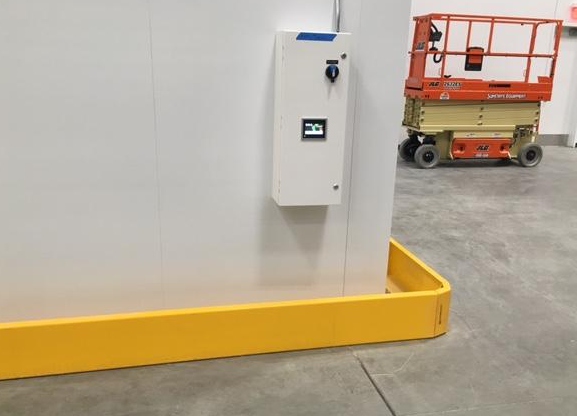
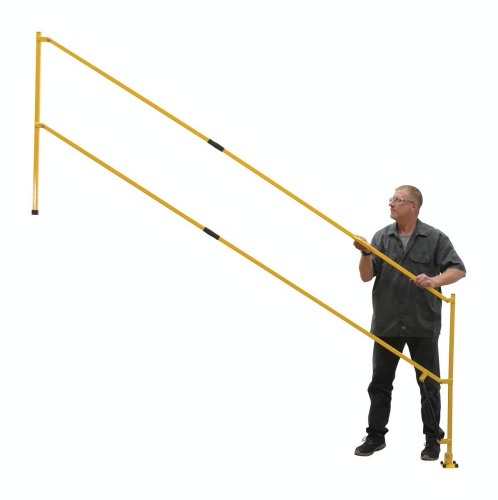
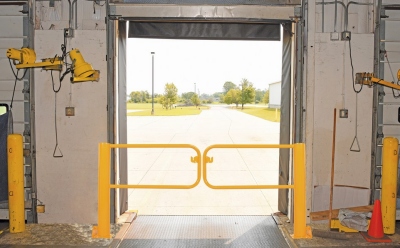
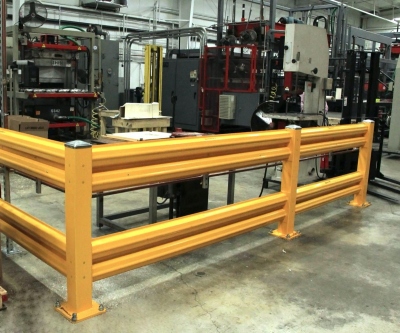
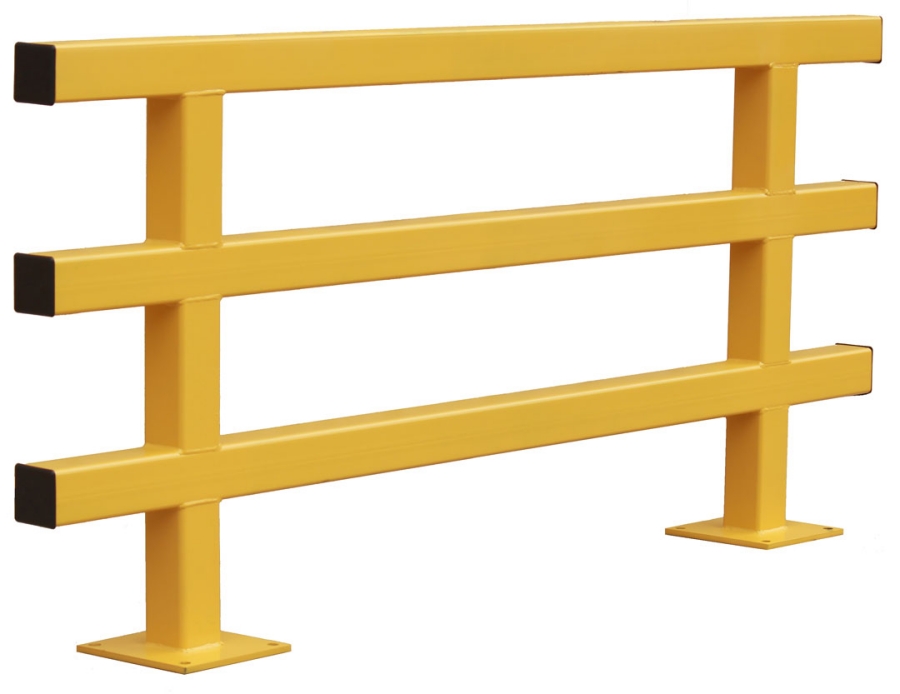
Choose based on hazard + access needs. Fixed guards are best for low access areas, fencing and security cages for larger zones, rails for traffic separation, gates for controlled entry, and rack backing to prevent pallet push-through. If you share your layout and workflow, we’ll recommend the simplest setup that fits.
What information do you need to quote a machine guard system?
A quick quote needs dimensions (L/W/H), a rough layout or sketch, access points/gates, what you’re guarding, floor type, and ideally a couple of photos. If you don’t have everything, send what you have. We’ll fill in the gaps.
Are your machine guarding systems designed to help meet OSHA requirements?
Yes, these systems are commonly used to support OSHA machine guarding goals. Final compliance depends on your specific application and installation, so we’ll help you choose the right solution and you can confirm requirements with your safety team.
What are typical lead times and freight/shipping considerations?
Lead time depends on whether items are stocked or configured. Many guarding systems ship via freight, and larger orders may require a dock, forklift, or lift gate delivery. We’ll confirm ship dates and delivery requirements during quoting.
Is the manufacturer’s warranty included with my purchase?
Yes. All products sold on CustomMHS.com include the original manufacturer’s warranty unless otherwise noted. Custom MHS is an authorized dealer for the brands we carry, which means your purchase is covered by the manufacturer's full factory warranty.
Why purchase from CustomMHS.com?
CustomMHS.com supports manufacturing and distribution operations that need equipment that fits right the first time. We specialize in storage and material handling and help you select the correct configuration upfront to avoid errors that cause delays, reorders, and costly downtime.
To make price comparisons simple and fair, we reference the manufacturer’s model number on our listings and quotes whenever available. That way, you can compare the exact same item across suppliers apples to apples, so you can verify you’re getting the best deal without guessing whether the specs match.



.jpg)