
Roll Form vs. Structural Pallet Racking | Buyer’s Guide & Key Differences
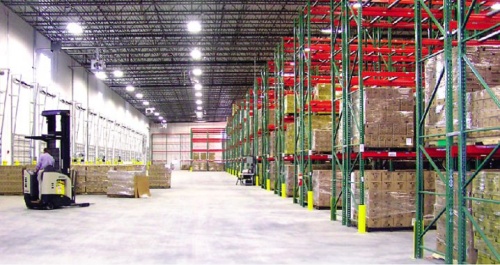
Roll Form and Structural Pallet Racking Differences Explained
Pallet racking is not one-size-fits-all. One of the most common buying decisions is choosing between roll-formed and structural pallet racking. Both are used to store palletized loads, but they are built differently, perform differently, and fit different warehouse conditions.
The wrong choice usually comes from buying on price alone. The right choice comes down to load weight, forklift traffic, environment, damage risk, and long-term use.
What is roll form pallet racking?
Roll-formed pallet racking is made from steel that is formed into shape through a rolling process. It is the most common type of pallet rack used in warehouses and distribution operations.
It is widely used for:
♦ Standard warehouse pallet storage
♦ Retail distribution
♦ General inventory storage
♦ Backroom storage
♦ Light to medium-duty pallet applications
♦ Operations that want flexibility and lower upfront cost
Roll form systems usually use teardrop-style connections or similar clip-in beam connections, making them easier to adjust and reconfigure.
What is structural pallet racking?
Structural pallet racking is made from hot-rolled structural steel and is typically bolted together rather than clip-connected. It is heavier, tougher, and designed for harsher environments and more abusive conditions.
It is commonly used for:
♦ Heavy-duty pallet loads
♦ High-abuse warehouse environments
♦ Outdoor storage
♦ Cold storage and freezer applications
♦ Manufacturing plants
♦ Forklift-intensive operations
♦ Applications where rack damage is more likely
A structural rack usually costs more but is built to withstand more punishment.
Main difference between roll form and structural pallet racking
The biggest difference is how they are built and how they handle impact, abuse, and heavy-duty conditions.
Roll form pallet racking
♦ Made from lighter-formed steel
♦ Usually easier to install and adjust
♦ Typically lower upfront cost
♦ Good for standard warehouse use
♦ More vulnerable to forklift damage in harsh environments
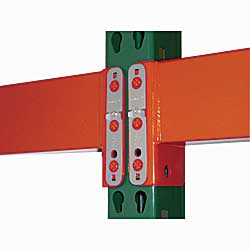
Structural pallet racking
♦ Made from heavier hot-rolled steel
♦ Usually bolted construction
♦ Better impact resistance
♦ Better for heavy loads and rough use
♦ Often preferred in industrial, outdoor, and high-damage environments
If your warehouse is clean and organized, and you handle standard pallet loads, roll form may be the better value. If your operation is rough, heavy, or damage-prone, structural often makes more sense.

What to look for when buying pallet racking
Whether you are comparing roll-formed or structural pallet racks, these are the things that actually matter.
Load capacity
This comes first.
Ask:
♦ What is the capacity per beam level?
♦ What is the capacity per bay?
♦ What is the frame capacity?
♦ Is the load evenly distributed?
♦ Are the pallets standard and consistent?
Do not assume all pallet racks with the same dimensions have the same capacity. They do not.
Pallet type and load size
You need to know:
♦ Pallet dimensions
♦ Load weight
♦ Load overhang
♦ Product stability
♦ Whether loads are uniform or mixed
Racking must be sized for the real pallet, not just the nominal rack dimensions.
Forklift traffic and impact risk
This is one of the biggest factors in deciding between roll form and structural.
Ask:
♦ How often do forklifts contact the rack?
♦ Are aisles tight?
♦ Are operators working fast?
♦ Is the product heavy and hard to position?
♦ Is rack damage already a recurring problem?
If impact is common, the structural rack becomes much more attractive.
Environmen
The setting matters more than many buyers realize.
Consider:
♦ Indoor or outdoor use
♦ Wet or dry conditions
♦ Freezer or cold storage
♦ Corrosive or washdown environment
♦ Clean distribution center or rough industrial plant
Structural racking is usually better suited for harsher environments, especially outdoors or in abusive industrial settings.
Adjustability and flexibility
Roll form racking usually has an advantage here.
Look for:
♦ Ease of beam adjustment
♦ Reconfiguration options
♦ Future expansion compatibility
♦ Compatibility with accessories and add-ons
If you expect slotting changes, SKU changes, or layout revisions, roll form can be easier to work with.
Rack height and layout
Make sure the system fits:
♦ Ceiling height
♦ Sprinkler clearances
♦ Flue space requirements
♦ Aisle widths
♦ Reach truck or forklift lift heights
♦ Seismic requirements, if applicable
The rack is only part of the system. The full layout matters.
Beam and frame construction
Compare:
♦ Beam sizes
♦ Upright column shape and thickness
♦ Base plate design
♦ Bracing
♦ Connection style
♦ Repairability
A cheap rack can look similar on paper but perform very differently under real use.
Safety and code compliance
Buyers need to think about:
♦ Capacity labels
♦ Anchoring
♦ Column protectors
♦ Guard rails
♦ Local code requirements
♦ Seismic engineering is required where applicable
♦ Flue space and fire code issues
Do not treat pallet racking like simple shelving. It is a structural storage system.
Accessories and system compatibility
Check whether the rack can support:
♦ Wire decking
♦ Pallet supports
♦ Row spacers
♦ Column protectors
♦ Rack guards
♦ Drum cradles
♦ Safety pins or locks
Some systems are more flexible than others, depending on the application.
Total cost, not just upfront price
This is where many buyers get it wrong.
Compare:
♦ Material cost
♦ Installation cost
♦ Repair frequency
♦ Damage risk
♦ Maintenance costs
♦ Reconfiguration costs
♦ Lifespan in your environment
Roll form usually wins on the upfront price. Structural often wins on durability in demanding environments.
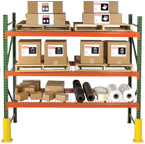
Best use for roll form pallet racking
Roll form pallet racking is usually the better fit when:
♦ Pallet loads are standard
♦ The warehouse is relatively clean and organized
♦ Forklift damage is limited
♦ Layout flexibility matters
♦ Budget is a major factor
♦ Indoor use is the primary application
Best applications for roll form rack
♦ General warehousing
♦ Retail distribution
♦ Backroom storage
♦ E-commerce fulfillment
♦ Standard pallet inventory
♦ Facilities that change slotting often
Roll form is often the right choice for companies that want efficient pallet storage without paying for more abuse resistance than they actually need.
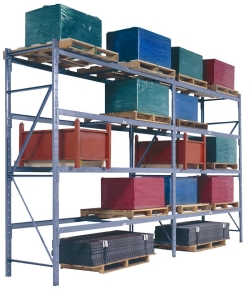
Best use for structural pallet racking
Structural pallet racking is usually the better fit when:
♦ Loads are heavier
♦ The environment is rough
♦ Forklift impact is more common
♦ Rack abuse is expected
♦ Outdoor use is required
♦ Long-term durability matters more than upfront savings
Best applications for a structural rack
♦ Manufacturing plants
♦ Metalworking and industrial environments
♦ Lumber and building material storage
♦ Freezer and cold storage
♦ Outdoor pallet storage
♦ High-traffic forklift operations
♦ High-abuse warehouse conditions
A structural rack is often the right answer where lighter rack systems would get damaged too quickly.
When roll form is the better choice
Choose roll form when:
♦ You want a lower upfront cost
♦ You need easier beam adjustability
♦ Your pallet loads are moderate
♦ Damage risk is relatively controlled
♦ You need a flexible warehouse layout
When is structural the better choice?
Choose structural when:
♦ You need maximum durability
♦ Your loads are heavy
♦ Forklift contact happens more than it should
♦ You need outdoor or freezer storage
♦ You want a rack built for abuse and long service life
A smart buying process usually looks like this.
♦ Step 1: Define the pallet load
Know the pallet size, weight, and type of inventory.
♦ Step 2: Review the operating environment
Think about forklift traffic, damage risk, indoor vs. outdoor use, and temperature conditions.
♦ Step 3: Compare true capacity needs
Do not overbuy, but do not underbuild.
♦ Step 4: Think about adjustability
If your layout changes often, roll form may be the easier system to live with.
♦ Step 5: Evaluate long-term durability
If abuse is likely, structural may save money over time even with a higher upfront cost.
♦ Step 6: Confirm safety and code requirements
Anchoring, clearances, seismic design, and fire protection issues need to be addressed before buying.
♦ Step 7: Compare total ownership cost
Look beyond the initial material price.
Quick comparison section
Roll Form Pallet Racking
Best for:
♦ Standard warehouse storage
♦ Lower upfront cost
♦ Flexible layouts
♦ Easier adjustability
♦ Light to medium-duty pallet storage
Structural Pallet Racking
Best for:
♦ Heavy-duty loads
♦ Harsh industrial use
♦ Outdoor storage
♦ Freezer environments
♦ High forklift traffic and impact risk
Final recommendation
If your operation is a standard indoor warehouse with moderate loads and a need for flexibility, roll form pallet racking is often the better value.
If your operation is heavier, rougher, forklift-intensive, outdoor, or damage-prone, structural pallet racking is often the better long-term investment.
The real decision comes down to five things: load weight, damage risk, environment, flexibility needs, and long-term cost of ownership.


