
How to Select the Right Plastic Divider Box Containers
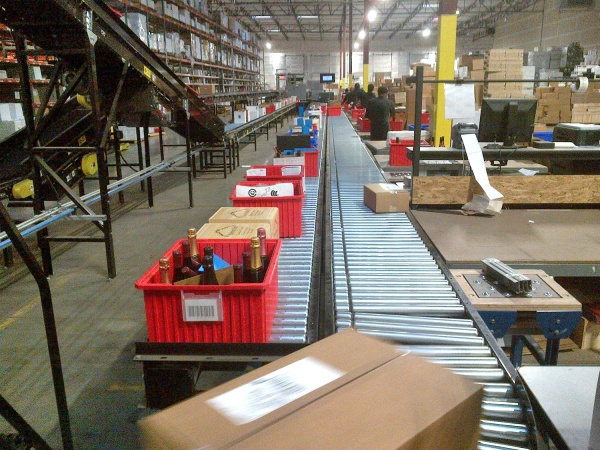
Plastic Divider Box Containers Buying Guide: What to Look For, Best Uses, and Common Questions
Plastic divider box containers are one of the most practical storage solutions for organizing small parts, loose pieces, and mixed inventory. They help keep items separated, visible, protected, and easier to access. Whether you are storing hardware, electrical components, medical items, craft supplies, fasteners, fishing tackle, office supplies, or retail inventory, the right divider box can improve organization and reduce wasted time.
The key is choosing a box that fits your items, your workflow, and your storage environment. Not all plastic divider boxes are the same. Some are built for light-duty home organization, while others are better suited for industrial, commercial, warehouse, medical, or professional use.
What Are Plastic Divider Box Containers?
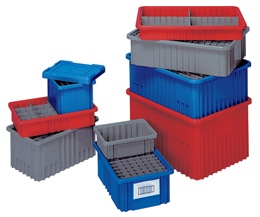
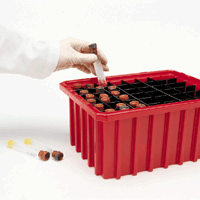
Plastic divider box containers are storage boxes with built-in or adjustable compartments that separate small items within a single container. They are commonly used to organize parts by size, type, color, SKU, or application.
Some divider boxes have fixed compartments, while others include movable dividers that let you customize the internal layout. Many also include snap-tight lids, transparent covers, carry handles, stacking features, or labels for easier identification.
Best Uses for Plastic Divider Box Containers
Plastic divider boxes work best anywhere small items need to stay sorted, protected, and easy to find.
Common uses include:
♦ Nuts, bolts, screws, washers, and fasteners
♦ Electrical connectors, terminals, and fittings
♦ Small tools and repair parts
♦ Craft supplies, beads, and sewing items
♦ Fishing tackle and outdoor accessories
♦ Medical or lab supply organization
♦ Retail backroom inventory
♦ Office and classroom supplies
♦ Jewelry components and packaging items
♦ Maintenance, service, and mobile repair kits
These containers are especially useful when inventory must be separated into categories but still carried or stored together.
What to Look for When Buying Plastic Divider Box Containers
1. Compartment Size and Layout
Start with the size and number of compartments you need. The internal layout is one of the most important factors when buying.
Ask:
♦ How many different items will be stored?
♦ Do the items vary in size?
♦ Do you need equal-size compartments or mixed sizes?
♦ Will the contents change often?
If you store many small items in different quantities, adjustable dividers offer more flexibility. If your inventory is always the same, fixed compartments may work well and can feel more secure.
2. Adjustable vs Fixed Dividers
This is one of the biggest buying decisions.
Adjustable dividers are best when:
♦ Inventory changes often
♦ Compartment sizes need to vary
♦ One box may serve different purposes over time
♦ Flexibility is more important than a permanent layout
Fixed dividers are best when:
♦ The same items are always stored together
♦ Consistent separation matters
♦ You want a simple, stable layout
♦ There is less chance of dividers shifting or being misplaced
If you need long-term versatility, adjustable divider boxes are often the better investment.
3. Material Strength and Durability
Plastic quality matters. Some boxes are made for occasional household use, while others are designed for repeated opening, transport, and daily jobsite or warehouse handling.
Look for:
♦ Crack-resistant plastic
♦ Rigid construction
♦ Strong hinges and latches
♦ Divider stability
♦ Resistance to wear from repeated use
For commercial or industrial settings, durability should be a priority, especially if the boxes will be stacked, transported, or used in service vehicles.
4. Lid Design and Closure Security
A good lid is critical. If the lid does not close tightly, items can shift between compartments, creating a mess.
Look for:
♦ Tight-closing lids
♦ Secure latches
♦ Lid designs that help keep contents in place
♦ Easy-open but dependable closures
♦ Clear tops for quick visual identification
If the box will be moved often, carried in a truck, or stored vertically, secure closure matters even more.
5. Transparency and Visibility
Clear or translucent boxes help users identify contents without opening every container. This saves time and improves workflow.
Choose a clear lid or transparent container when:
♦ Inventory changes frequently
♦ Quick visual checks are important
♦ Multiple boxes are stored together
♦ Staff need fast access to the right parts
For backroom, warehouse, craft, and service applications, visibility is a major convenience.
6. Stackability and Storage Efficiency
If you plan to store multiple boxes on shelves, carts, workstations, or in vehicles, stackability becomes important.
Look for:
♦ Flat, stable tops and bottoms
♦ Interlocking or nesting features
♦ Consistent sizes for shelf storage
♦ Space-efficient designs
Well-designed stacking can improve storage density and reduce clutter in supply rooms, workshops, and mobile service setups.
7. Portability
Some divider box containers are meant to stay on a shelf. Others are made to travel.
Choose portable options when:
♦ Items move between jobsites
♦ Technicians carry parts to service calls
♦ Inventory is brought to workstations as needed
♦ Supplies are shared between rooms or departments
Helpful portable features include:
♦ Carry handles
♦ Lightweight construction
♦ Secure latches
♦ Compact size
♦ Durable corners and edges
8. Divider Height and Spill Prevention
Not all dividers provide the same level of separation. In some lower-quality containers, small parts can shift between compartments if the lid and dividers do not fit tightly.
Look for:
♦ Dividers that fit securely
♦ Lid designs that reduce movement between compartments
♦ Compartment walls high enough for the items stored
♦ Reliable internal separation during transport
This is especially important for hardware, beads, electronics, or any small items that are difficult to sort once mixed.
9. Size of the Overall Container
Do not focus only on the compartments. The total box size matters too.
Consider:
♦ Shelf dimensions
♦ Drawer storage compatibility
♦ Vehicle storage space
♦ Workbench or workstation fit
♦ Ease of carrying
A larger box may hold more items, but smaller boxes can be easier to manage, label, and transport.
10. Labeling and Inventory Control
If organization matters, labeling matters too.
Helpful features include:
♦ Writable surfaces
♦ Label-friendly flat areas
♦ Clear fronts or tops for identification
♦ Consistent sizing for easy bin systems
This is especially important in inventory control, maintenance departments, medical storage, retail stockrooms, and parts rooms.
Best Use of Plastic Divider Box Containers
Plastic divider box containers are best used for organizing small items that need to be separated, protected, and easily identified.
They are especially effective when:
♦ Small parts must stay sorted by type or size
♦ Employees need fast visual access
♦ Inventory is used repeatedly throughout the day
♦ Items are transported between locations
♦ Mixed contents must stay organized in one container
♦ Storage space is limited and stacking is needed
They are a strong choice for both professional and personal organization because they combine compact storage with easy access.
Who Should Use Plastic Divider Box Containers?
These containers are a smart choice for:
♦ Warehouses and maintenance departments
♦ Repair technicians and field service teams
♦ Manufacturing and assembly operations
♦ Retail stockrooms
♦ Hobbyists and crafters
♦ Schools and classrooms
♦ Medical and lab environments
♦ Home garages and workshops
♦ Fishing and outdoor gear users
♦ Jewelry and small component organizers
If your items are small enough to get lost, mixed, or damaged in open storage, divider box containers are usually a better option than open bins or plain boxes.
Common Mistakes to Avoid
♦ Buying based only on price
Low-cost boxes may not hold up under repeated use, especially if they are opened often or transported.
♦ Choosing compartments that are too small
If compartments are too tight, items become hard to access, and the box becomes frustrating to use.
♦ Overlooking future flexibility
If your storage needs may change, fixed dividers may feel limiting later.
♦ Buying oversized boxes for tiny items
A box that is too large can waste space and make a small inventory harder to manage.
Final Buying Tips
Before purchasing plastic divider box containers, think through how they will actually be used.
Ask yourself:
What items will be stored?
♦ How many compartments are needed?
♦ Will the layout need to change later?
♦ Will the box stay on a shelf or travel with the user?
♦ Does it need to stack?
♦ Do contents need to be visible?
♦ How important is spill prevention between compartments?
The best plastic divider box container is the one that keeps your items organized, protected, easy to identify, and simple to access. A well-chosen divider box can save time, reduce misplaced inventory, and make everyday work more efficient.


