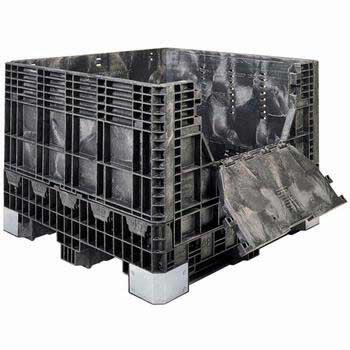
How to Purchase Bulk Collapsible Boxes & Bulk Containers
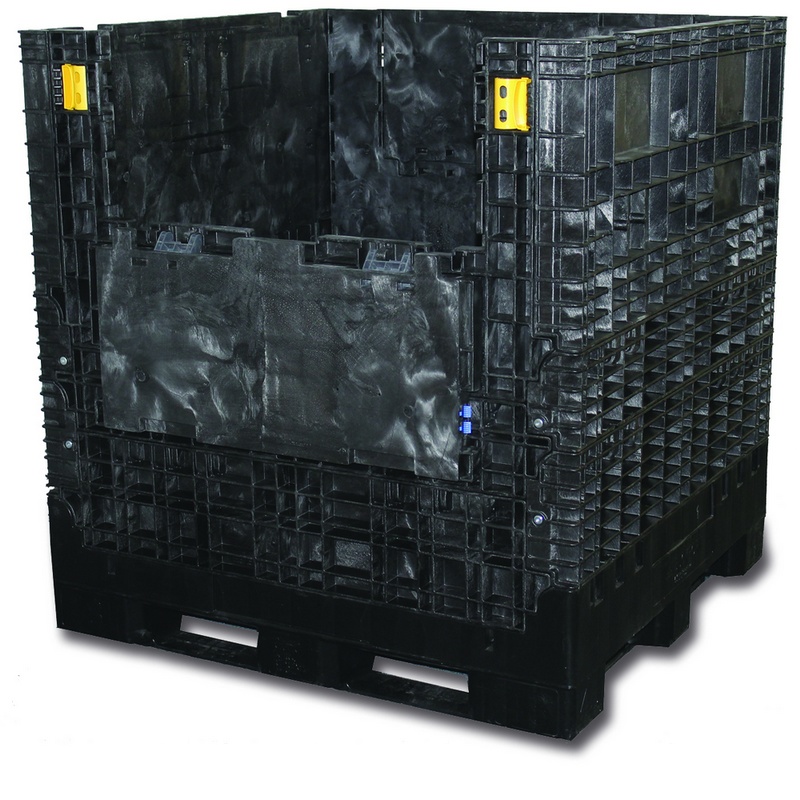
How to Purchase Bulk Collapsible Boxes & Bulk Containers
Start by identifying what the container will hold, how much weight it needs to support, and whether it will be used mainly for storage, shipping, return transport, or order picking. The right choice usually comes down to footprint, internal capacity, load rating, wall style, forklift access, and whether the container needs to collapse for return trips or off-season storage. Many bulk containers are designed with standard footprints, stackable walls, and four-way forklift entry, but load ratings, side access, and overall durability can vary widely from one model to another.
Before ordering, measure the space where the containers will be stored, moved, stacked, or racked. Buyers should compare outside dimensions, usable inside dimensions, collapsed height, stack height, and compatibility with pallets, forklifts, pallet jacks, trailers, and shelving systems. If containers are returned empty, collapsible designs can reduce the space required for storage and backhaul.
What to Look For
♦ 1) Load Capacity
One of the first things to check is the actual load rating. Look at the dynamic load, the static load, and, if relevant, the rack load. Dynamic load refers to what the container can safely carry while being moved. Static load refers to what it can support while stacked in place. Rack load matters if the container will sit in pallet racking. Many buyers focus only on volume and miss the load spec, which can lead to damaged containers or unsafe stacking.
♦ 2) Collapsible Design
Not all collapsible containers fold the same way. Some fold down on all four sides, while others allow partial wall removal or access without fully collapsing the unit. If space savings matter, pay attention to collapsed height and how quickly the unit can be set up or knocked down. This is especially important in returnable packaging and seasonal operations.
♦ 3) Material and Wall Style
Most bulk collapsible boxes and bulk containers are made from heavy-duty plastic designed for repeated use in warehouses and during transport. Solid wall containers are better for small parts, loose materials, and cleaner containment. Vented wall containers are better when airflow, drainage, or moisture management matters. The right wall style depends on what you are storing and the environment where the container will be used.
♦ 4) Access Features
Look for features that make loading and unloading easier. Drop doors, side access panels, removable walls, and open access points can speed up picking and reduce bending or overreaching. This matters a lot when containers are stacked, and workers need access to contents without unstacking everything.
♦ 5) Stackability and Footprint
Choose a container that fits your floor plan and stacking needs. Standard footprints can help with trailer loading, palletizing, and warehouse layout. Stackability also matters for storage density and transport efficiency. Some operations need containers that stack securely when full and collapse compactly when empty.
♦ 6) Forklift and Handling Compatibility
Bulk containers are often moved with forklifts or pallet jacks, so entry design matters. Four-way entry is a common feature because it improves flexibility in busy warehouse environments. If the container will move frequently, make sure the base design supports the equipment your operation uses every day.
♦ 7) Environment and Use Case
Think about whether the container will be used in clean environments, outdoor storage, damp conditions, food handling, manufacturing, or general warehouse distribution. Some buyers need vented sides, drain holes, or corrosion-resistant plastic for washdown or moisture-prone spaces, while others need closed-wall designs for better protection and containment.
Best Use of Bulk Collapsible Boxes & Bulk Containers
The best use of bulk collapsible boxes and bulk containers is moving and storing large volumes of parts, supplies, components, and inventory while saving space when empty. They are especially useful in warehouses, manufacturing plants, distribution centers, agricultural operations, and returnable shipping programs because they combine large-capacity storage with easier handling and better cube efficiency than many fixed-wall options. They are also practical for operations that require reusable packaging rather than disposable bulk packaging.
These containers are commonly used for component parts, industrial materials, commercial supplies, picking and assembly operations, storage and distribution, and transport between facilities. Where empty container storage is a challenge, collapsible models are often the most efficient choice because they reduce the amount of floor and trailer space required on the return trip.