A Guide to 5S Tape Colors for Lean Manufacturing and Visual Workplace Standards
A Guide to 5S Tape Colors for Lean Manufacturing and Visual Workplace Standards
5S works best when people can tell what belongs where in seconds. Color-coded floor marking tape turns your facility into a visual system where the “right way” is obvious at a glance. The result is less searching, fewer errors, safer movement, and faster audits.
This guide covers common 5S tape colors, how manufacturers typically use them, and how to set a standard that stays consistent across your operation.
Why 5S tape color standards matter
A consistent color system helps you:
♦ Improve safety by clearly separating pedestrians, forklifts, hazards, and restricted zones
♦ Reduce wasted motion by making storage locations and boundaries obvious
♦ Support standard work by keeping processes visually consistent
♦ Speed up inspections and audits by making issues easy to spot
♦ Reduce retraining by giving new employees visual cues
Important: There is no single universal color standard. What matters is consistency across your facility.
Common 5S tape colors and what they mean
Red: Immediate attention, hazards, or stop zones
Red is typically used for areas that require immediate awareness or action.
Common uses:
♦ Fire extinguishers, emergency equipment, and keep-clear zones
♦ Restricted areas or danger zones
♦ Red tag areas for items pending disposition (if your facility uses red tagging)
Avoid this mistake:
Do not use red for general storage. Red should remain of high importance so people react appropriately.
Yellow: Caution, traffic, and aisles
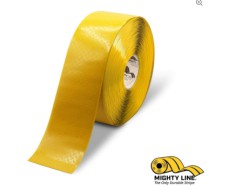
Yellow is one of the most common floor marking colors in warehouses and plants.
Common uses:
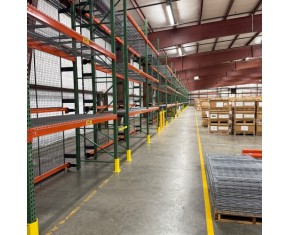
♦ Pedestrian walkways and traffic lanes
♦ Aisle boundaries and staging areas
♦ “Watch your step” or caution zones near equipment
Avoid this mistake:
♦ Do not change yellow’s meaning from area to area. If yellow means “walkway” in one department and “staging” in another, people stop trusting the visuals.
Green: Safety, first aid, and designated safe areas
Green is usually tied to safety and “go” conditions.
Common uses:
♦ First aid, AED, eyewash stations, and safety equipment locations
♦ Safe zones and clear access areas
♦ Approved storage locations for frequently used tools or supplies
Avoid this mistake:
♦ Do not overuse green for general boundaries if you also use it for safety equipment. Keep green meaningful.
Blue: Maintenance, repair, or items temporarily out of service
Blue is often used to signal equipment status or technical functions.
Common uses:
♦ Machines or tools under maintenance
♦ Calibration zones or QA-related staging
♦ Temporary hold areas tied to maintenance activity
Avoid this mistake:
♦ Do not use blue for permanent storage if it is your maintenance indicator color.
White: General boundaries and work areas
White is a flexible, general-purpose option used for defining space.
Common uses:
♦ Workstation outlines
♦ Equipment footprints
♦ Storage boundaries for carts, pallets, or WIP
♦ “Home” locations for frequently used items
Avoid this mistake:
♦ If everything is white, nothing stands out. Use white for structure, then reserve higher-impact colors for safety and control.
Orange: Warnings, special procedures, and restricted conditions
Orange is often used when extra caution or specific procedures apply.
Common uses:
♦ Areas requiring PPE or authorization
♦ Zones where special operating procedures apply
♦ Temporary caution zones during a changeover or project
Avoid this mistake:
♦ Do not use orange and yellow interchangeably. Keep them distinct, or your visual system becomes noise.
How to set a color standard that sticks
A strong 5S system is documented and repeatable.
♦ Choose what each color means for your facility
♦ Publish a simple one-page standard and post it in each department
♦ Train new employees on day one
♦ Audit quarterly and correct “drift” immediately
Tip: Add labels or floor signs for critical zones so the meaning stays clear even for visitors and new hires.
Tape vs paint vs floor signs
Use the right marking method for the job:
♦ Tape: best when workflows change, you run kaizen events, or you need clean, fast updates
♦ Paint: best for long-term layouts that rarely change
♦ Floor signs: best for reminders, warnings, and reinforcing behaviors at the point of use
Floor prep that prevents tape failure
Tape performance is mostly about surface prep.
♦ Remove dust and debris completely
♦ Use a degreaser or denatured alcohol to clean the floor
♦ Apply to a dry surface
♦ Avoid applying over crumbling concrete, heavy texture, or oil-saturated areas without addressing the root cause
Where Mighty Line fits in
If your floor markings are subject to scrubbers, forklifts, and heavy wheel traffic, tape thickness and adhesive quality matter. Mighty Line floor tape is 50 mil thick, and Mighty Line floor signs are 30 mil thick. That is significantly thicker than many standard options. It is also designed to remove cleanly, making layout changes and continuous improvement easier.
Key advantages to highlight in your facility:
♦ 3-year warranty on select products
♦ Easy replacement when you update workflows
♦ Clean removal for lower maintenance headaches
♦ Built for industrial traffic, including scrubbers and forklifts
♦ Standard and custom floor signs available, including logos and high-resolution images
Typical industrial uses
Mighty Line floor marking products are commonly used in:
♦ Warehouses and distribution centers
♦ Manufacturing facilities and assembly areas
♦ Hospitals and healthcare facilities
♦ Oil and gas facilities
♦ Food processing and regulated environments (where clear visual controls help support compliance)
A simple next step
If you are implementing 5S or tightening visual workplace standards, start by defining your color meanings, documenting them, and marking one pilot area. Once the system works in a single zone, scale it across departments.
If you want, paste a link to your Mighty Line category page (or tell me your main product SKUs), and I’ll tailor the CTA and internal linking suggestions to your site structure, plus write a short FAQ section to help this post rank.
These recommendations for 5S tape colors are based on standard industry practice and comply with OSHA guidelines.