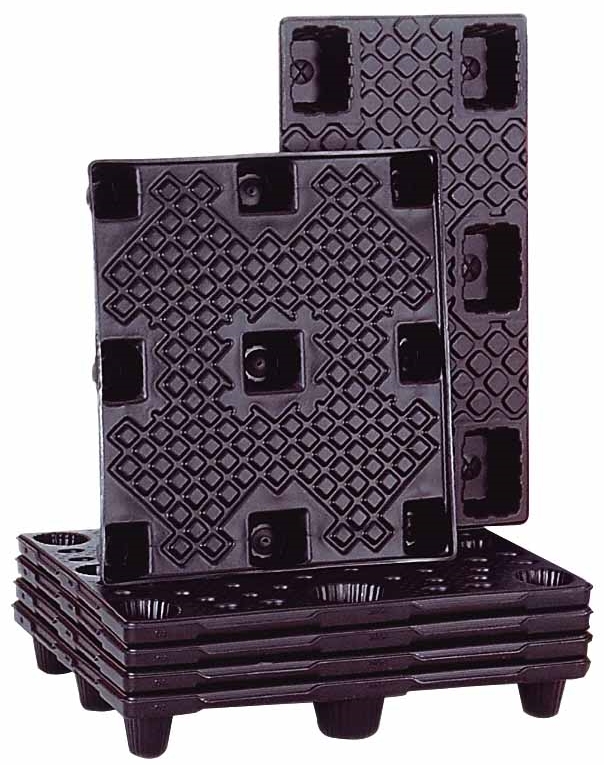
How to Select Plastic, Steel, and Aluminum Pallets
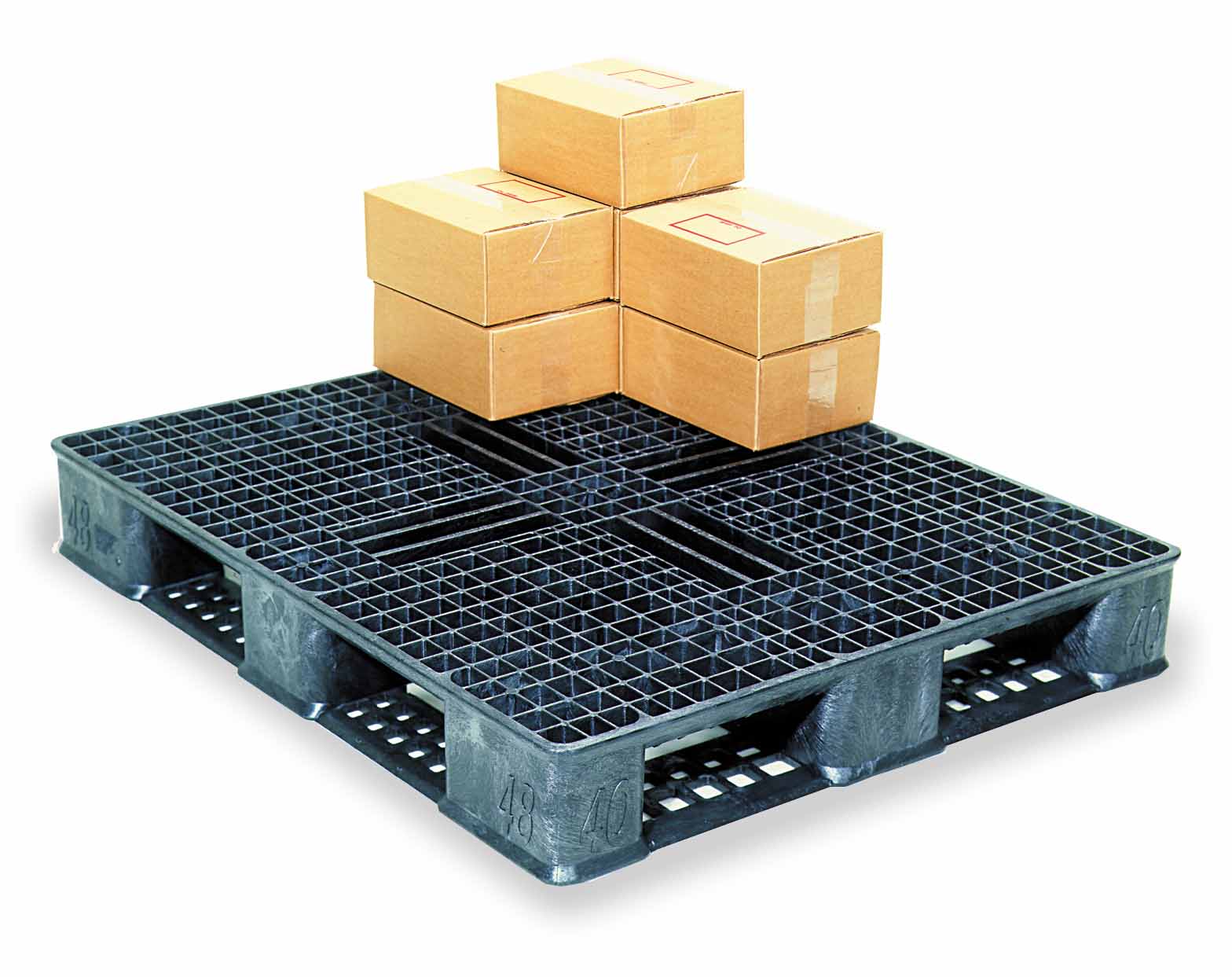
How to Select Plastic, Steel, and Aluminum Pallets
Choosing the right pallet starts with understanding what will be stored, how the pallet will be handled, and the environment in which it will be used. Plastic, steel, and aluminum pallets each offer different benefits, so the best option depends on the application, load requirements, cleanliness standards, and long-term operating needs.
Pallets are used across warehouses, manufacturing plants, distribution centers, food processing, pharmaceutical operations, export shipping, and storage systems. Since each material performs differently, it is important to compare strength, durability, weight, sanitation, and cost over time before making a decision.
What to Look for When Selecting Pallets
♦ Load capacity
The first thing to review is how much weight the pallet needs to support. Consider static, dynamic, and racking loads if pallets will be stored on pallet rack systems. A pallet that works for floor storage may not be suitable for racking.
♦ Handling method
Think about how the pallet will be moved. Forklifts, pallet jacks, conveyors, automated systems, and export handling all affect which pallet design works best. Entry style, base design, and deck construction should match the handling equipment.
♦ Environment
The work environment matters. Some pallets perform better in wet areas, cold storage, clean settings, corrosive conditions, or heavy-duty industrial operations. Selecting the right material can improve pallet life and reduce maintenance.
♦ Weight of the pallet
Pallet weight affects shipping efficiency, manual handling, and transportation costs. Lighter pallets may help reduce freight costs, while heavier pallets may offer greater strength for demanding applications.
♦ Sanitation and cleanability
In industries where cleanliness matters, easy-to-clean materials are important. Smooth surfaces, non-absorbent construction, and moisture resistance can make a big difference.
♦ Durability and service life
A pallet should be selected based on how often it will be used and how rough the environment is. Reusable systems often benefit from longer-life pallet materials even if the initial cost is higher.
♦ Corrosion and moisture resistance
Some environments expose pallets to water, chemicals, humidity, or washdown conditions. In those cases, resistance to rust, rot, or corrosion becomes a major factor.
♦ Compatibility with storage systems
Make sure the pallet meets the facility's dimensions and support requirements. This includes rack beams, floor stacking, conveyors, and automated material handling equipment.
♦ Export and regulatory considerations
For international shipping, material choice can affect compliance and convenience. Some pallet materials are preferred for export because they avoid issues tied to untreated wood.
♦ Repairability and replacement cycle
♦ Consider whether the pallet is meant to be disposable, reusable, or part of a closed-loop system. Some pallet types are chosen for long-term consistency, while others are selected for one-way shipment.
Plastic Pallets
Best use of plastic pallets
Plastic pallets are often best suited for clean environments, export shipping, pharmaceutical operations, food processing, retail distribution, and facilities that require a lightweight, moisture-resistant pallet. They are also commonly used in operations where consistency in pallet size and performance matters.
Plastic pallets are a strong choice when sanitation, ease of cleaning, and water resistance are important. They are also useful when businesses want a reusable pallet that does not absorb moisture or splinter.
What to look for in plastic pallets
Look for load rating, deck style, nestable or stackable design, rack compatibility, impact resistance, and how well the pallet performs within the intended temperature range. In some operations, reinforced plastic pallets may be needed for heavier loads or rack storage.
Why choose plastic pallets
Plastic pallets are often selected for their clean appearance, lighter weight, moisture resistance, and consistency. They work well in applications where hygiene, export convenience, and repeatable dimensions matter.
Steel Pallets
Best use of steel pallets
Steel pallets are best for very heavy loads, harsh industrial environments, long-term durability, and applications where pallet damage is a constant risk. They are often used in manufacturing, metalworking, heavy equipment storage, and environments that demand high structural strength.
Steel pallets are especially useful where loads are dense, products are heavy, or pallets must withstand repeated impacts from forklifts and other industrial handling equipment.
What to look for in steel pallets
Look for overall load capacity, steel gauge, welded-construct quality, corrosion protection, rack compatibility, and a pallet design that matches the handling equipment. Consider whether the environment requires coated or corrosion-resistant finishes.
Why choose steel pallets
Steel pallets are chosen for strength, durability, and long-term performance in rugged environments. They are often the best fit where standard pallet materials may fail under extreme weight or repeated abuse.
Aluminum Pallets
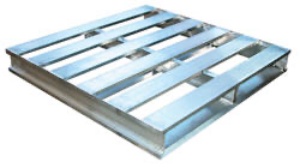
Best use of aluminum pallets
Aluminum pallets are often used where strength and corrosion resistance are needed, but the weight must be kept lower than that of steel. They are a good fit for clean environments, air cargo, food and pharmaceutical operations, and specialized industrial settings where rust resistance is important.
Aluminum pallets can also work well in applications that need a durable, reusable pallet with a good strength-to-weight balance.
What to look for in aluminum pallets
Look for structural design, load rating, weld quality, corrosion resistance, and compatibility with the storage and transport system. Also consider whether the pallet will be used in environments that require frequent cleaning or low moisture absorption.
Why choose aluminum pallets
Aluminum pallets are valued for combining strength, lighter weight, and natural resistance to corrosion. They are a practical option for businesses that need a long-lasting pallet that performs well in clean or moisture-prone environments.
How to Choose Between Plastic, Steel, and Aluminum Pallets
♦ Plastic pallets are usually the best choice for cleanliness, moisture resistance, export shipping, and lighter-weight reusable applications.
♦ Steel pallets are usually the best choice for maximum strength, very heavy loads, and rough industrial settings.
♦ Aluminum pallets are usually the best choice when the operation needs a strong, corrosion-resistant pallet that is lighter than steel.
The best pallet is not simply the strongest or the cheapest. It is the one that matches the load, handling method, environment, and long-term cost of use.