
Storage Containers
Industrial Containers, Totes, and Trays
Keep parts moving and workstations organized with industrial handheld containers and totes built for production floors, warehouses, maintenance departments, and shipping areas. They handle daily abuse, lifting, stacking, staging, and transport while keeping small parts, components, and supplies sorted, protected, and easy to grab. Whether you are feeding an assembly line, running kitting operations, or cleaning up inventory, the right tote system improves speed, accuracy, and ergonomics and cuts the time lost hunting for parts or re-picking the wrong components.
Most of the range comes down to what happens when a container is empty. Stack-only containers hold their shape and load but take full space when empty, nest-only containers collapse into each other but cannot build a stable loaded column, and stack-and-nest containers do both when rotated 180 degrees. Check the published nest ratio on stack-and-nest totes, since a 4.0:1 ratio means four empties occupy the height of one.
Material limits matter as much as style. Most totes are high-density polyethylene (HDPE), with published ranges around 0°F to 120°F (some attached lid containers are rated from -20°F), so they are not wash-line or hot-parts containers. Fiberglass composite containers are published to -60°F and 250°F, and wire baskets and part wash containers suit cleaning and drying. For static-sensitive electronics, ask for the measured surface resistance in ohms rather than the word “ESD,” because dissipative material in the 10⁶ to 10⁹ ohm range controls discharge, while overly conductive material can produce damaging peak currents.
Product Lines:
Divider box containers (Akro-Mils, LEWISbins, Quantum), straight wall containers (Quantum, Monoflo, Akro-Mils, Buckhorn, Orbis), and attached lid containers for organized parts storage and secure transport; Kadon solid and vented tote boxes and stack and nest containers; stack-only and nest-only fiberglass containers from MFG for heavy loads and heat; Quantum Cross Stack tubs; conveyor, assembly, and ventilation trays, including the Metro WavDri cannabis drying tray; part washing containers and baskets; Jesco heavy duty and Quantum modular stacking wire baskets; and I.D. label placards for facility-wide identification.
Selecting the Right Type:
♦ Storage style, choose Stack & Nest for closed loops with a return leg, Stack Only for heavy loads that stay loaded, or Nest Only when containers are mostly empty or ride a conveyor.
♦ Contents, choose divider boxes for kitting, straight wall for maximum cube on a pallet, attached lid for secure transit, and Cross Stack tubs when you need access to the container below.
♦ Airflow, choose vented containers for wet parts and drying, or solid containers to retain small parts and keep dust out.
♦ Temperature, choose fiberglass for hot parts and heavy loads, part wash containers or wire baskets for washing, and confirm the temperature rating of any plastic tote against your actual cycle.
♦ Static-sensitive parts, choose ESD containers and confirm the measured surface resistance in ohms against your ESD control program.
Where Commonly Used:
Containers and totes are used on assembly lines and in kitting operations to improve speed, accuracy, and ergonomics, in warehouses and distribution centers where stackable and nestable containers maximize vertical storage, in maintenance and parts washing areas for cleaning and organization, and in shipping areas for daily lifting, stacking, and transport.
CustomMHS is an authorized distributor for all brands on this page. All purchases include the manufacturer’s factory warranty.
|
Not sure which container fits?
Choosing the style is only half the decision, because a part has to clear the inside bottom of a tapered tote, not its outside top, and stack height depends on the bottom container support rating, not the per-tote load. Our guide covers sizing, both load ratings, and the cost per trip of returnable containers.
No obligation. Every quote is personally reviewed by our team to ensure accurate pricing and recommendations; it is never automatically generated. |
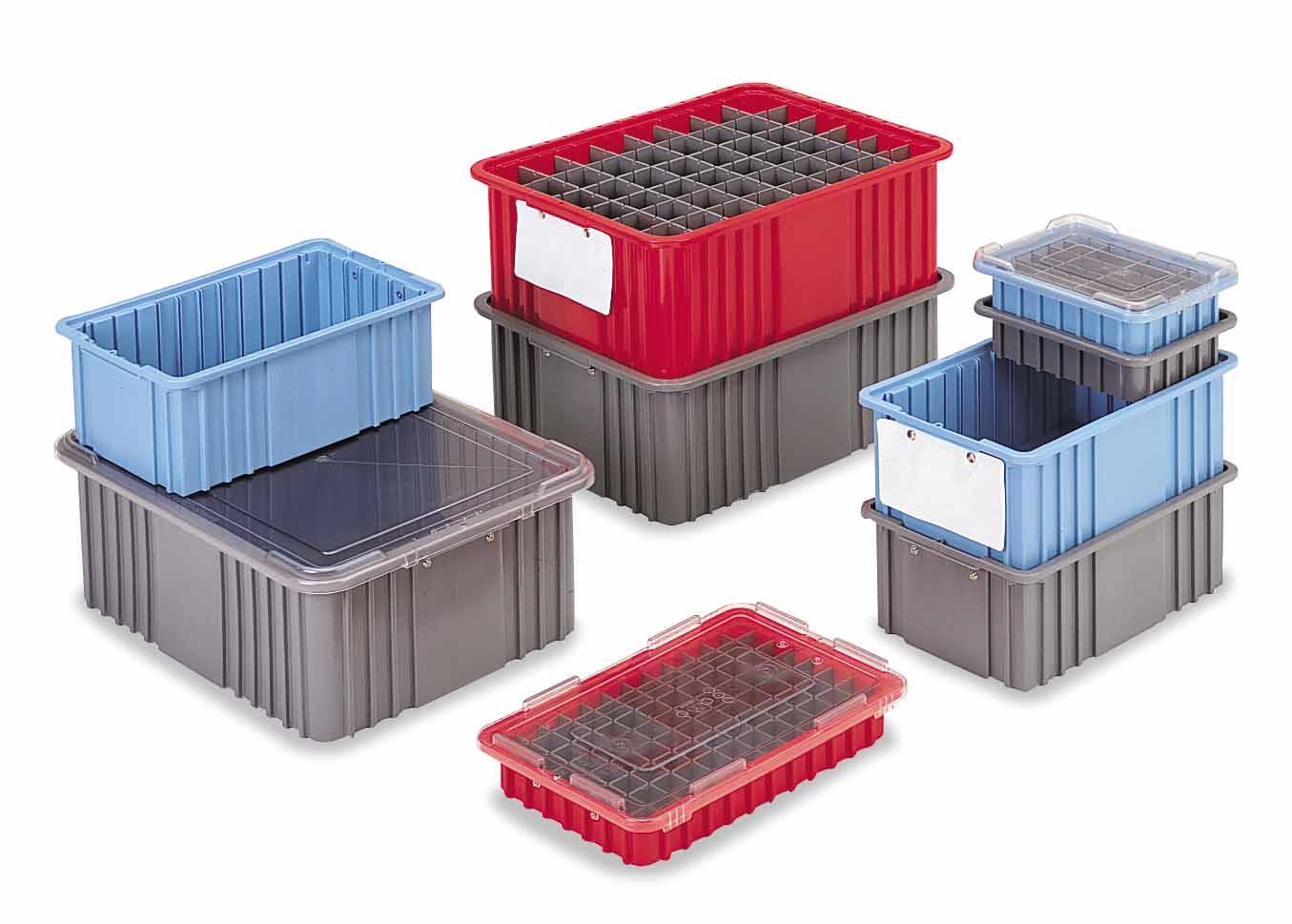 Divider Box Containers
|
 Straight Wall Containers
|
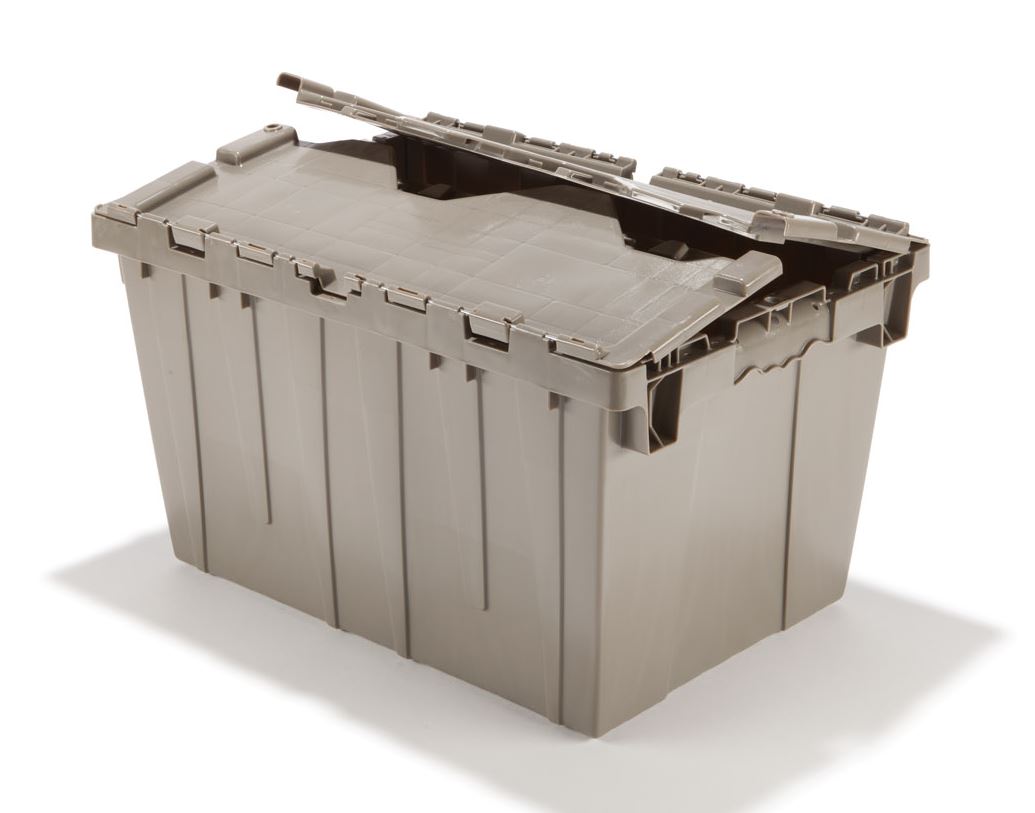 Attached Lid Containers
|
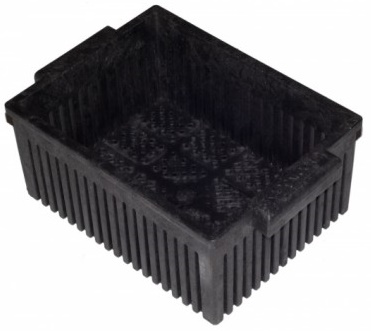 Kadon Heavy Duty, Solid & Vented
|
||||
 Stack & Nest Container, Solid & Vented
|
 Stack Only Fiberglass Container
|
 Quantum Cross Stack Tubs
|
 Nest Only Container
|
||||
 Conveyor, Assembly & Ventilation Trays
|
 Metro WavDri Cannabis Drying Tray
|
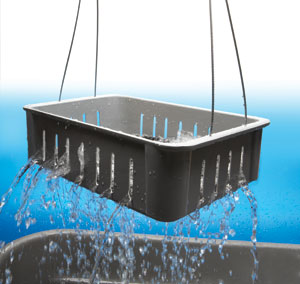 Part Wash Containers and Baskets
|
 Heavy Duty Wire Baskets
|
||||
 Modular Stacking Wire Baskets
|
 I.D. Label Placards for Containers and Totes
|
||||||
| Handheld containers or totes are widely used in various industries, including manufacturing, logistics, retail, and more, for transporting, storing, and organizing items. They offer a range of benefits that contribute to operational efficiency, organization, and safety.
|