Industrial Storage Cabinets & Modular Drawer Systems: The High-ROI Upgrade for Warehouses, Plants, and Maintenance Shops
If your warehouse, plant, or maintenance shop is still relying on open shelving, random bins, and floor-staged supplies, you’re paying a daily “chaos tax.” It shows up as lost tools, damaged parts, slow replenishment, and constant interruptions—especially in maintenance and MRO workflows where speed matters.
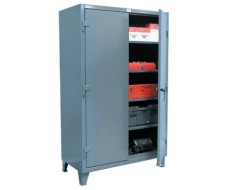
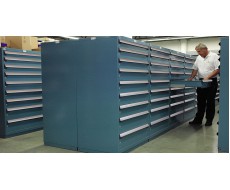
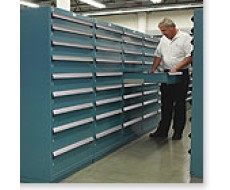
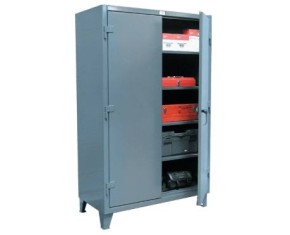
Industrial storage cabinets and modular drawer systems fix that at the root: they create a defined home for tools, parts, PPE, chemicals, and supplies, so people stop hunting and start executing. CustomMHS describes these systems as heavy-duty steel solutions designed to keep contents protected, visible, and easy to access while supporting cleaner, more efficient work areas.
What industrial storage cabinets actually solve (beyond “being organized”)
1) Productivity leaks from “where is it?” work
In most facilities, the biggest waste isn’t the cabinet cost—it’s the labor spent searching, re-ordering because stock is “missing,” and walking back and forth to grab what should be at point-of-use. Cabinets and drawer systems reduce delays by standardizing storage locations.
2) Inventory control gets real when storage is structured
Open shelves are fine—until you need accuracy. Lockable cabinets, labeled drawers, and consistent layouts support tighter control for high-value tools, calibrated instruments, consumables, and regulated items.
3) Safety improves when the floor stops being a storage location
Floor clutter becomes trip hazards, blocked access, awkward lifting, and unsafe staging. Cabinets help reclaim space in aisles and work zones, keeping your layout predictable and safer.
Cabinets vs. modular drawer systems: how to choose fast
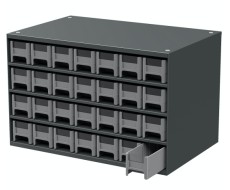
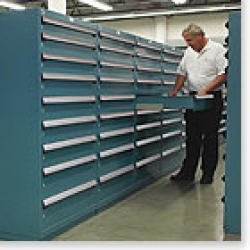
A good rule: drawers for dense, small, high-mix items; shelves for bulky, low-mix items.
Choose modular drawer cabinets when you store:
- Fasteners, fittings, electrical components, small parts
- Tooling, hand tools, gauges, and inserts
- High-SKU maintenance items that get “lost” easily
CustomMHS’ cabinet category includes drawer systems with published capacities like 100 lb per drawer and heavy-duty options at 400 lb per drawer, plus mobile modular drawer carts up to 400 lb per drawer—ideal when you’re storing dense metal tools/parts and need the cabinet to take abuse.
Choose shelf cabinets when you store:
- PPE cartons, bulk supplies, chemicals (non-flammable or properly rated storage)
- Larger tools, boxes, kits, packaged items
- Items that don’t sort cleanly into compartments
Cabinet types that fit real warehouse + plant workflows
One reason these systems work so well is that you can match the cabinet to the job rather than forcing a single “generic” storage method everywhere. The CustomMHS category highlights a wide range of cabinet types used in industrial environments, including:
- Visual storage cabinets (quick ID, less rummaging)
- Combination storage cabinets (shelves + compartments)
- Ventilated storage cabinets (for appropriate applications)
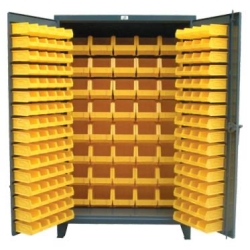
- Cabinets with drawers and bin storage cabinets
- Wardrobe storage cabinets (PPE, uniforms, lockers-by-another-name)
- Emergency response storage cabinets
- Stainless steel cabinets (washdown/corrosive environments)
- Computer cabinets (protect terminals in dusty/dirty areas)
- CNC tool storage cabinets (purpose-built tool control)
This is where the ROI usually accelerates: you stop trying to store everything the same way and start designing storage around how work actually happens.
Special note: chemical + cylinder storage needs the right cabinet (don’t wing it)
Flammable liquids
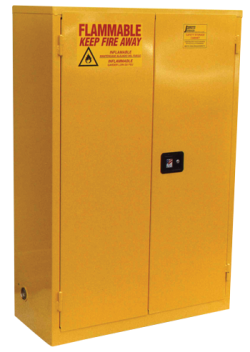
If you’re storing flammable liquids, you need storage that complies with your site's applicable safety requirements. OSHA’s flammable liquids standard is 29 CFR 1910.106, and OSHA training guidance notes that it’s based on NFPA 30 and covers handling, storage, and use of flammable liquids.
CustomMHS specifically lists flammable safety storage cabinets in this category—use the appropriate cabinet for the hazard class rather than improvising with a standard steel cabinet.
Compressed gas cylinders/propane
OSHA’s compressed gases standard (29 CFR 1910.101) requires in-plant handling and storage of compressed gases to follow Compressed Gas Association guidance (CGA Pamphlet P-1 is incorporated by reference).
CustomMHS includes cylinder vertical cabinets and propane storage cages—again, purpose-built storage is the smart move here.
(Quick reality check: this isn’t an area to “save money.” Wrong storage decisions can create compliance exposure and real risk.)
Implementation playbook: how to get the ROI quickly
- Start with the highest-friction area
Usually: maintenance crib, MRO cages, or the “everyone dumps stuff here” bench. - Design storage around the point of use
Put cabinets where the work happens (or use mobile drawer carts). Fewer steps = fewer delays. - Standardize layouts (and label like you mean it)
Drawer dividers + labels reduce tribal knowledge and make onboarding easier. - Add control where it matters
Lock high-value tools, calibrated devices, or controlled supplies to stop shrinkage and “borrowing.” - Set a simple replenishment method
Bin minimums, Kanban cards, or reorder points—anything beats “we ran out again.”
Buying checklist: what to look for before you quote
- What are you storing? (Dense tools vs bulky cartons change everything)
- Drawer capacity needs (100 lb vs 400 lb per drawer is a real decision)
- Locking/security requirements (accountability vs open access)
- Mobility vs fixed install (carts for point-of-use, cabinets for cribs)
- Environment (washdown? dust? corrosion? then stainless/computer cabinet may matter)
- Hazard storage needs (flammables/cylinders require purpose-rated solutions)
View Cabinets & Drawer Systems
-230x190.jpg "Modular Drawers vs Shelving: Does the 70% Space Savings Claim Hold Up?")